

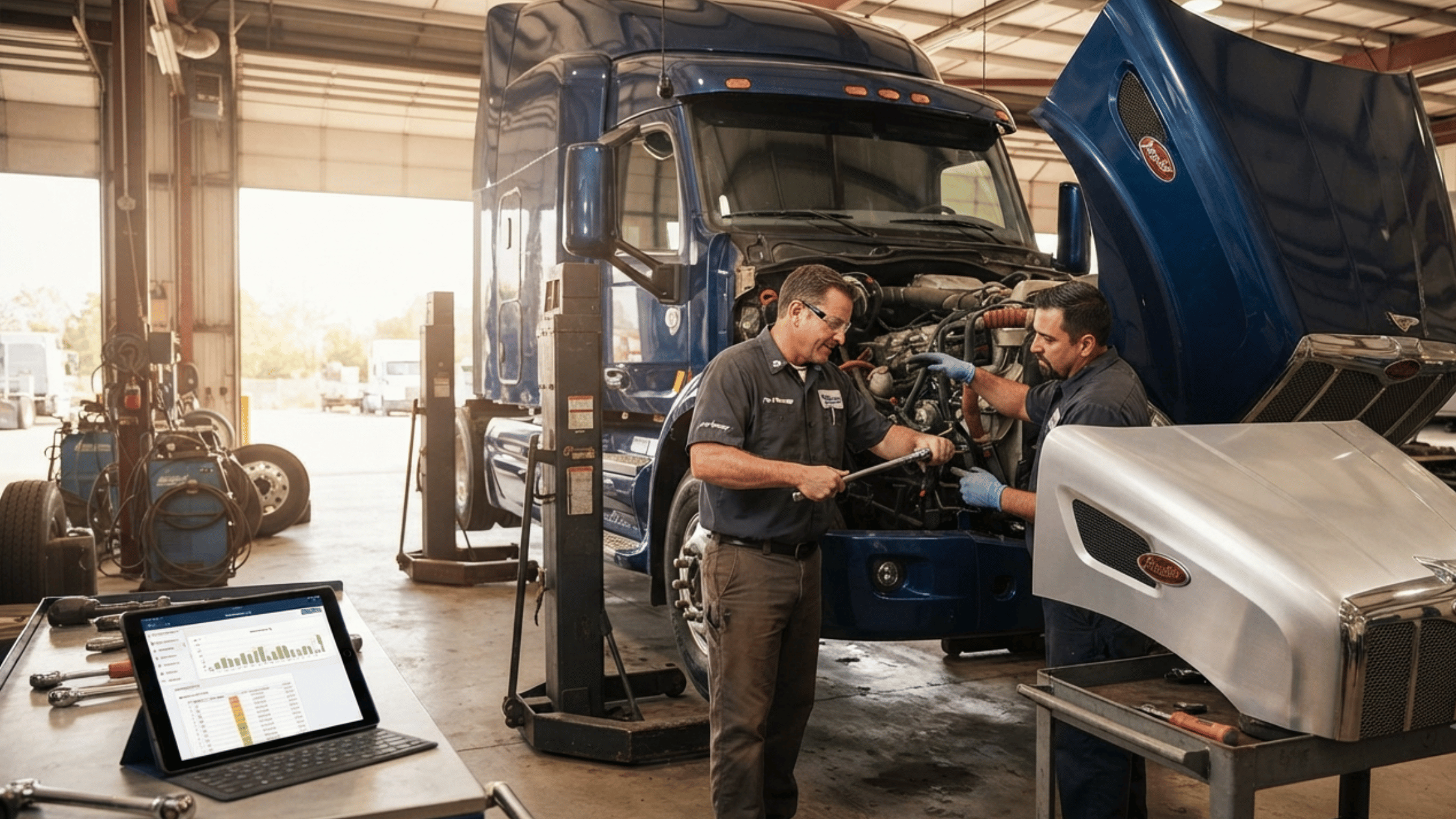
New truck prices haven’t gotten any friendlier, and budgets — especially for municipal, utility, and vocational fleets — haven’t grown to match. If you manage a fleet, you already know the math: replacing a truck is a five- or six-figure decision, while repairing body damage and keeping a unit in service is a fraction of that cost. The trend across fleets of every size is clear: keep trucks running longer, and lean on a solid repair strategy to make that possible.
The catch is that “repair instead of replace” only works if you have a reliable way to source parts across every brand in your fleet, fast enough that a damaged truck isn’t sitting idle for weeks.
The Real Cost of Replacing vs. Repairing in 2026
A new medium- or heavy-duty truck represents a major capital outlay, plus the lead time to get one built and delivered — which has been anything but predictable in recent years. Compare that to the cost of a replacement hood, bumper, or fender assembly, and the math for most body damage isn’t close. Unless a truck is totaled or its frame is compromised, repairing the body and keeping the chassis, drivetrain, and equipment already installed in service is almost always the more efficient use of a maintenance budget.
The tradeoff fleets have historically accepted is complexity: different brands mean different suppliers, different lead times, and different price lists to manage. That complexity is exactly what’s pushing fleet managers to consolidate.
How One Multi-Brand Supplier Simplifies Maintenance
Most fleets aren’t running a single truck brand. A mixed fleet of Freightliner, Kenworth, International, and others means that “repair instead of replace” can turn into five different vendor relationships if you’re not careful. Working with a single manufacturer that supplies body parts across all the major brands cuts that down to one point of contact, one account, and one set of expectations for turnaround time — which makes budgeting and planning dramatically easier.
Common Scenarios in Municipal and Utility Fleets
Public-facing fleets carry an extra layer of pressure: trucks that look worn or damaged reflect on the department, and safety compliance isn’t optional. Common situations where a solid parts relationship pays off include:
- Fender and bumper damage from tight job-site or route maneuvering
- Grille and hood replacement after minor collisions or road debris
- Planned refurbishment of aging units to extend their service life before a budget cycle allows for replacement
In all three cases, the deciding factor isn’t whether to repair — it’s whether the parts can be sourced quickly enough to avoid taking a unit out of rotation for longer than necessary.
Extending the life of a fleet isn’t a workaround — it’s a legitimate budget strategy that more fleet managers are formalizing in 2026. The piece that makes it work reliably is having a parts supplier who can keep up with every brand you run, not just one.
Managing a mixed-brand fleet? Request volume pricing for your most common parts — call 866-955-9755 to set up a fleet account.
 English
  Spanish